Bifold doors offer a unique blend of style and practicality for any home. They create expansive openings that enhance natural light and encourage a seamless connection between indoor and outdoor spaces.
With a variety of designs and customizable features, these doors can suit any architectural aesthetic. However, the choice of materials and installation methods can greatly impact their performance and longevity.
Understanding these factors is essential for homeowners considering this elegant addition.
Bifold doors seamlessly enhance both functionality and aesthetics in modern homes. Their unique design allows for expansive openings, creating a fluid connection between indoor and outdoor spaces, which is particularly advantageous for entertaining.
This versatility not only maximizes natural light but also improves ventilation, contributing to a healthier living environment. Additionally, bifold doors are often constructed from durable materials, ensuring longevity and ease of maintenance.
Their sleek appearance complements various architectural styles, making them a popular choice among homeowners. Ultimately, bifold doors provide a perfect blend of practicality and beauty, elevating the overall ambiance of any home.
How can homeowners choose the perfect bifold door design to complement their personal style? They should start by considering the architectural style of their home. Options range from sleek, modern frames to classic wooden designs, catering to various aesthetics.
Color choices also play an essential role; homeowners can opt for natural wood finishes or bold, painted options to make a statement. Additionally, hardware selections, such as handles and hinges, can enhance the door's overall look.
Customization allows for unique features, ensuring the bifold doors not only function well but also enhance the home's character and reflect the owner's taste.
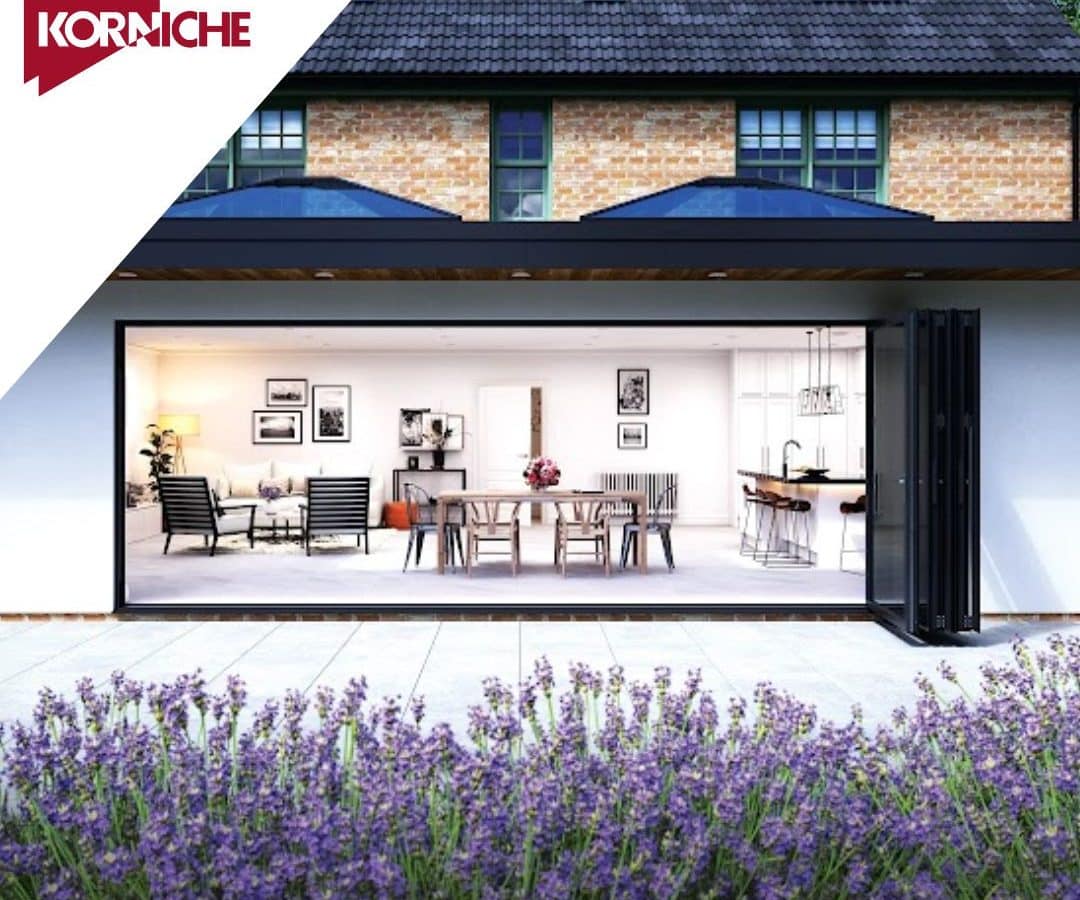
What better way to brighten a home than by incorporating bifold doors that invite natural light? These doors feature expansive glass panels, allowing sunlight to flood interior spaces, creating a warm and welcoming atmosphere.
By replacing traditional doors with bifold options, homeowners can greatly reduce the need for artificial lighting during the day, promoting energy efficiency. In addition, the unobstructed views provided by bifold doors enhance the sense of openness, making rooms feel larger and more inviting.
Strategically placed bifold doors can optimize sunlight penetration, transforming dark corners into bright, cheerful areas, ultimately elevating the overall aesthetic of the home.
Is it possible to achieve a seamless change between indoor and outdoor spaces? With bifold doors, homeowners can create an inviting connection that enhances the overall aesthetic.
These doors, when fully opened, allow for unobstructed views and easy access, blurring the lines between the two environments. Complementing the natural surroundings with cohesive decor can further enhance this flow.
Strategically placed furniture and outdoor elements, such as plants or seating areas, can encourage movement between spaces. Ultimately, the effective use of bifold doors transforms living areas, promoting a harmonious connection to nature while elevating the home's visual appeal.
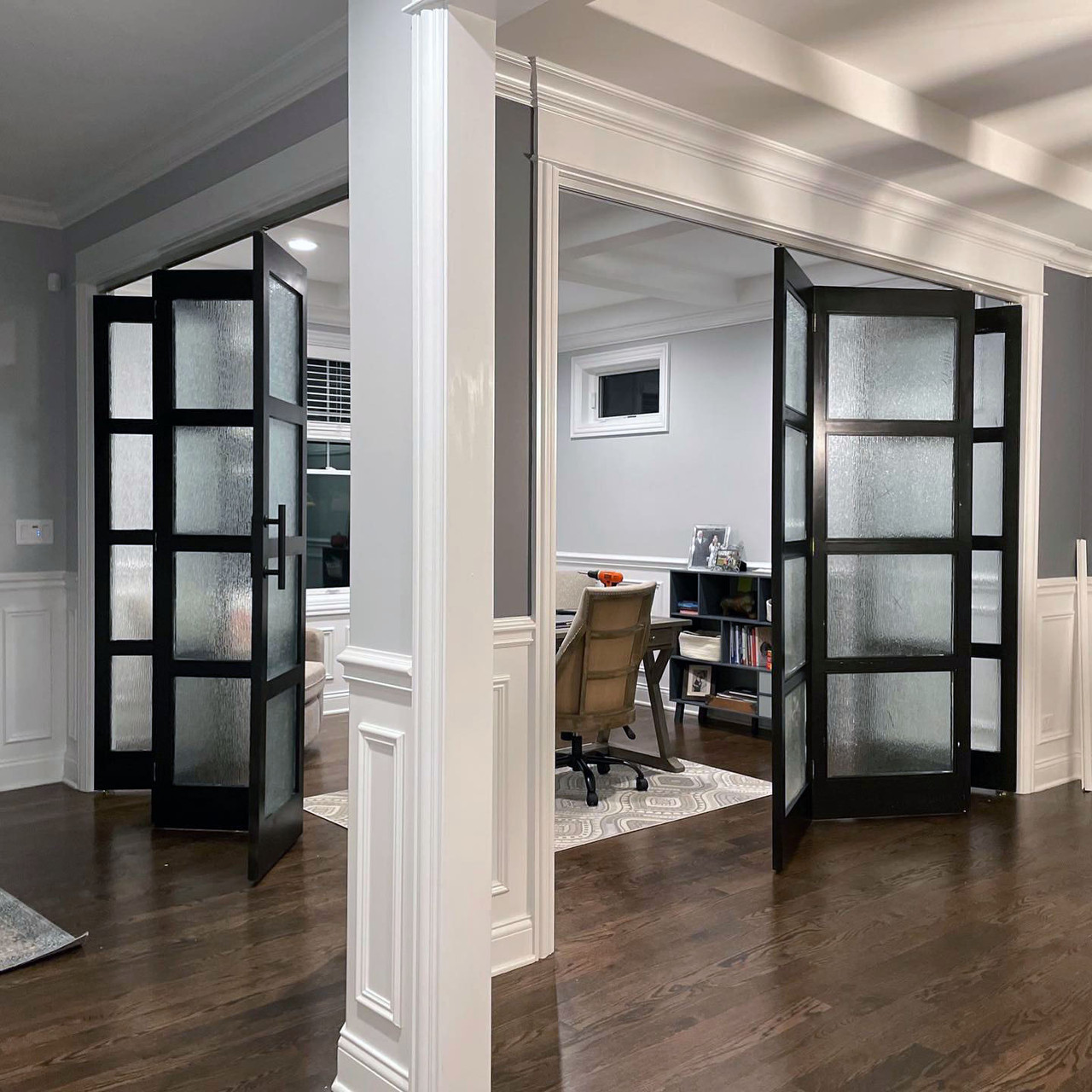
Selecting the appropriate materials for bifold doors is essential for ensuring long-lasting durability and performance. Homeowners often choose between wood, aluminum, and fiberglass for their bifold doors. Wood offers natural beauty and insulation but requires regular maintenance.
Aluminum provides strength and resistance to the elements, making it a low-maintenance option. Fiberglass combines the advantages of both, offering energy efficiency and durability without the susceptibility to warping or cracking.
Additionally, considering weather-resistant finishes and sturdy hardware can enhance longevity. Ultimately, the chosen material markedly impacts the door's resilience and overall aesthetic appeal, making careful selection vital for any home.
Installing bifold doors requires careful planning and attention to detail to guarantee a seamless fit and perfect functionality.
First, precise measurements of the opening are essential to confirm proper sizing. It is advisable to follow the manufacturer's instructions closely during installation, paying special attention to leveling and alignment for smooth operation.
Additionally, regular maintenance is key to longevity; lubrication of the hinges and tracks should be performed periodically to prevent sticking. Inspecting for wear or damage will help maintain aesthetic appeal and functionality. Cleaning the surfaces with appropriate non-abrasive cleaners keeps the doors looking their best while ensuring peak performance.
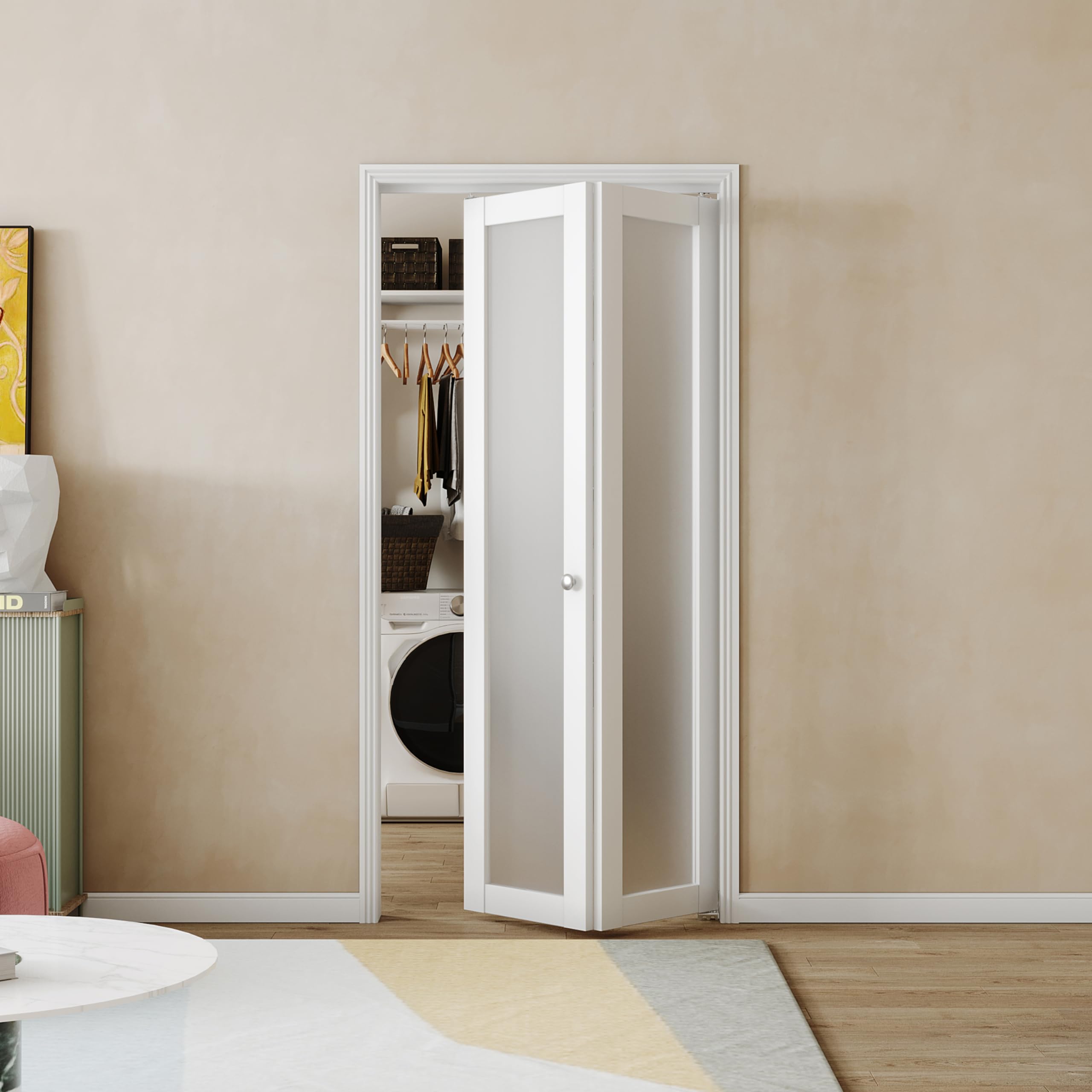
Installing bifold doors typically takes between four to six hours, depending on various factors. These factors include the complexity of the installation, the type of frame, and the experience of the installer. If additional structural changes are necessary, the process may extend further. Homeowners should also account for potential delays related to weather or unforeseen complications, which could impact the overall timeline for completion. Proper planning and preparation can help streamline the installation process.
Bifold doors are generally suitable for a variety of climates, but their effectiveness can vary based on specific conditions. In warmer regions, they provide excellent ventilation and natural light, while in colder climates, proper insulation is vital to prevent heat loss. Additionally, areas with high humidity may require doors with moisture-resistant materials to avoid warping. Ultimately, it is important to select bifold doors designed for the specific climate to guarantee peak performance and durability.
Common materials used for bifold doors include wood, aluminum, and uPVC. Wood offers a classic aesthetic and natural insulation, while aluminum provides durability and a modern look, often with thermal breaks to enhance energy efficiency. uPVC is known for its affordability and low maintenance, making it a popular choice in residential settings. Each material has its advantages, allowing homeowners to select based on style preferences, budget, and performance requirements.